Land Rover-Only Expertise
Our technicians work on advanced vehicle climate systems every day. They know common faults, sensor layouts, and rear AC circuits across different generations, which means faster diagnosis and fewer wasted parts.
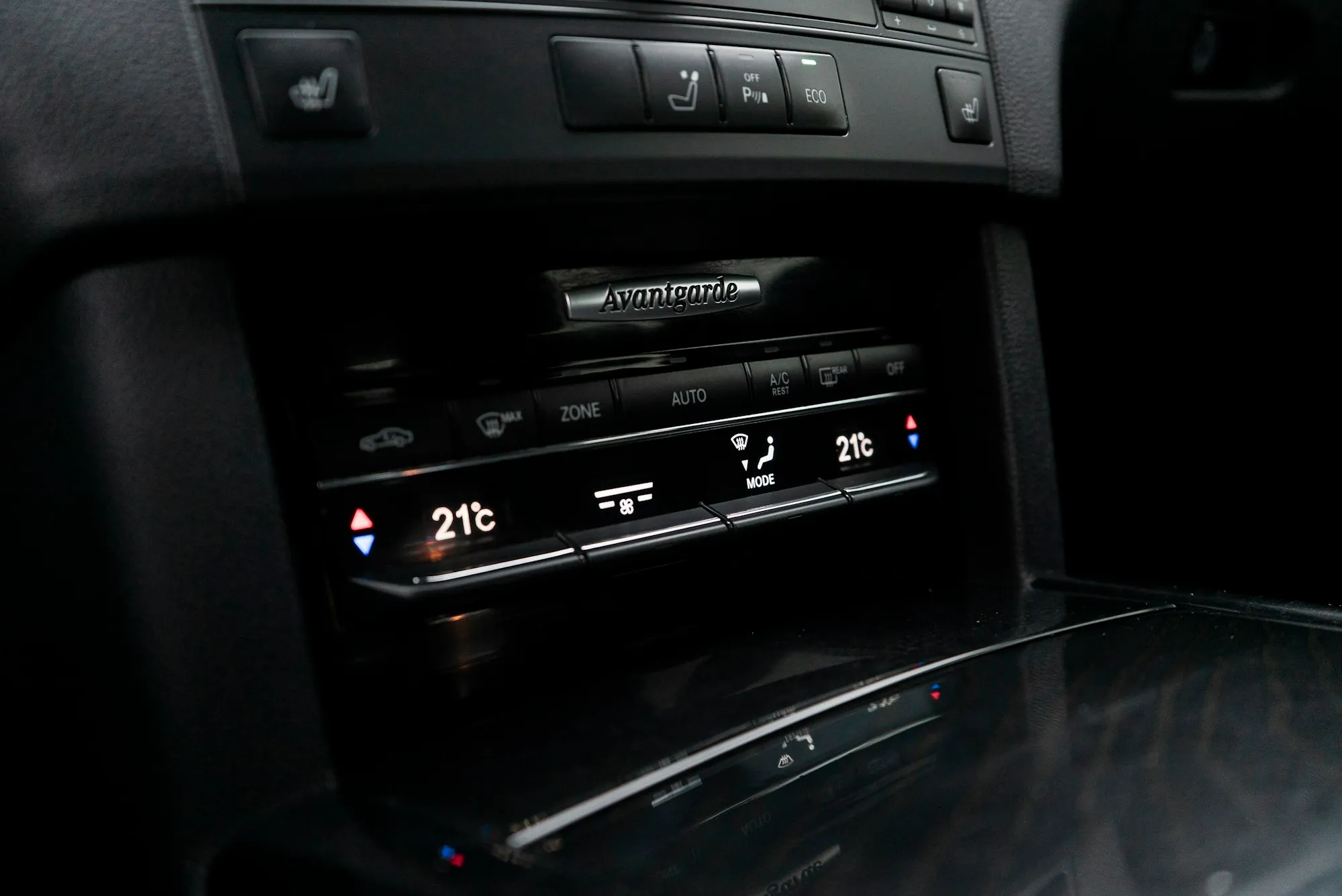
Our Land Rover-trained technicians have diagnosed and repaired climate systems through Dubai’s harshest summers. Every AC job starts with JLR-level diagnostics and ends with a tested, ice-cold cabin we would happily sit in ourselves.
A safety problem in Dubai
Picture a Range Rover stuck in traffic on Al Khail Road at 2 pm in August. The cabin starts at outside temperature and keeps climbing. Within minutes, the leather is too hot to touch and the screens dim to protect themselves. In Dubai, a weak AC quickly becomes a safety problem.
Modern climate systems are some of the most advanced in any SUV. They use up to four zones, multiple sensors, electronic actuators, and software-controlled compressors. That sophistication brings excellent cooling when everything works. It also means a simple “gas top-up” rarely fixes the real fault.
Our team diagnoses the whole system first. We read the climate control module, measure pressures and find leaks before recommending any part. Whether you need a quick recharge or full AC repair in Dubai, the fix targets the cause, not the symptom.
The fix targets the cause, not the symptom.
Book AC repairRunning almost nonstop
Dubai summers are getting hotter. In May 2025, the UAE recorded 51.6°C in Sweihan, its hottest May in more than two decades. Typical summer peaks now sit between 47°C and 49°C, with Dubai itself regularly passing 45°C.
At those temperatures, your AC runs almost nonstop. The compressor works under higher pressure. The condenser struggles to shed heat in slow traffic. Rubber seals and O-rings age faster. Small leaks that would take years to show in Europe appear within a single Dubai summer.
A struggling AC also costs you fuel. According to the US Department of Energy, AC use can cut fuel economy by over 25% in very hot conditions, especially on short trips. A system low on gas or with a blocked condenser works even harder, burning more fuel for less cooling.
51.6°C
Over 25%
Typical summer peaks now sit between 47°C and 49°C.
11 climate services in 2 areas
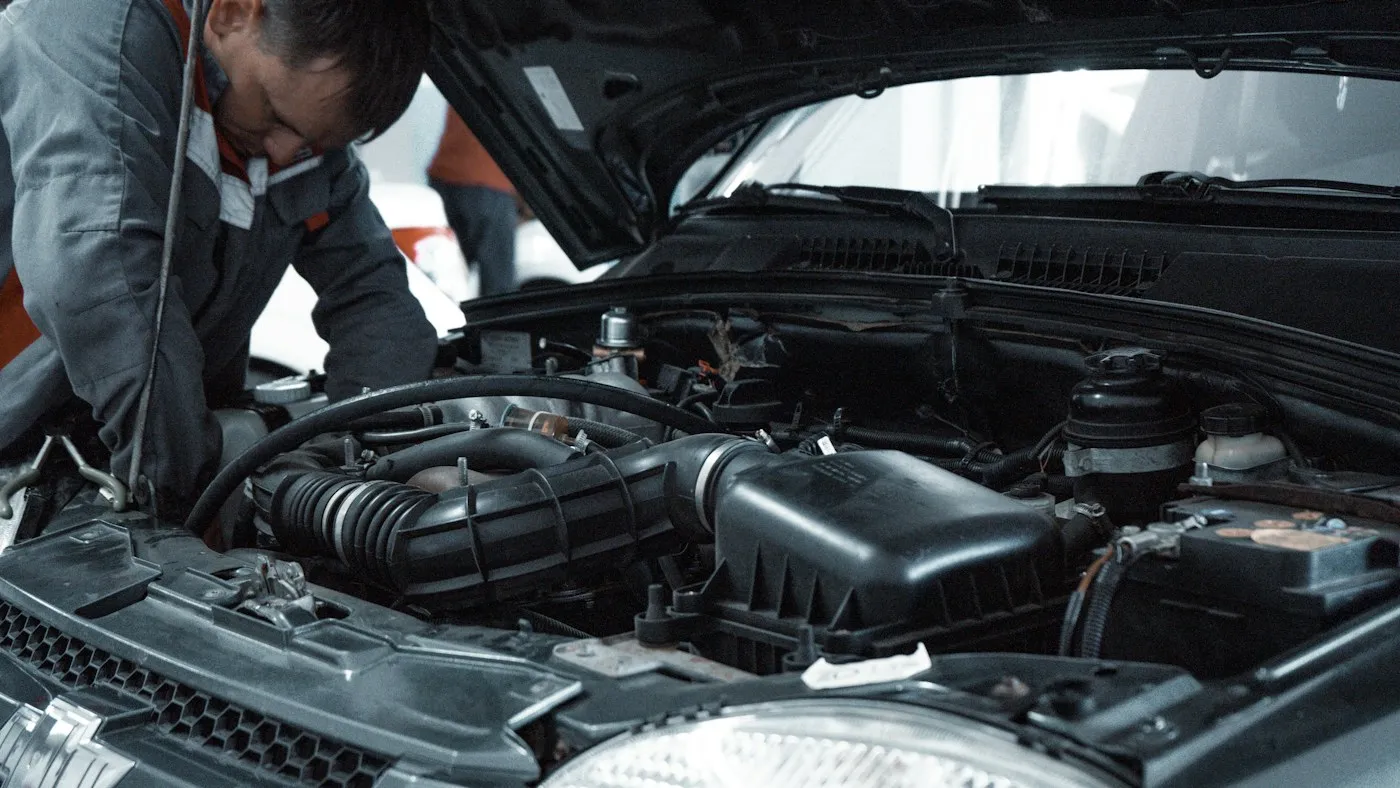
We recover the old refrigerant, vacuum the system to remove moisture and recharge it with the exact weight Land Rover specifies. Every recharge includes a leak test first. Topping up gas without finding the leak only wastes money.
Warm air from the vents can come from low gas, a failed compressor clutch, a blocked condenser, a faulty sensor or a stuck blend door. We test each possibility with diagnostic software and pressure gauges. You get a clear answer before any part is replaced.
We use UV dye, electronic sniffers and nitrogen pressure testing to locate leaks precisely. Common leak points include condenser seams, hose crimps, O-rings and compressor seals. Each leak is repaired with new seals and parts before the system is recharged.
A failed compressor can spread metal debris through the whole system. We replace the compressor, flush the lines and fit a new receiver-dryer at the same time. This protects the new compressor and gives you a repair that lasts.
The condenser sits at the front of the car and takes stone chips, sand and road debris. Once damaged or clogged, it cannot release heat properly. We fit a quality replacement and check the cooling fans so the system can shed heat in slow traffic.
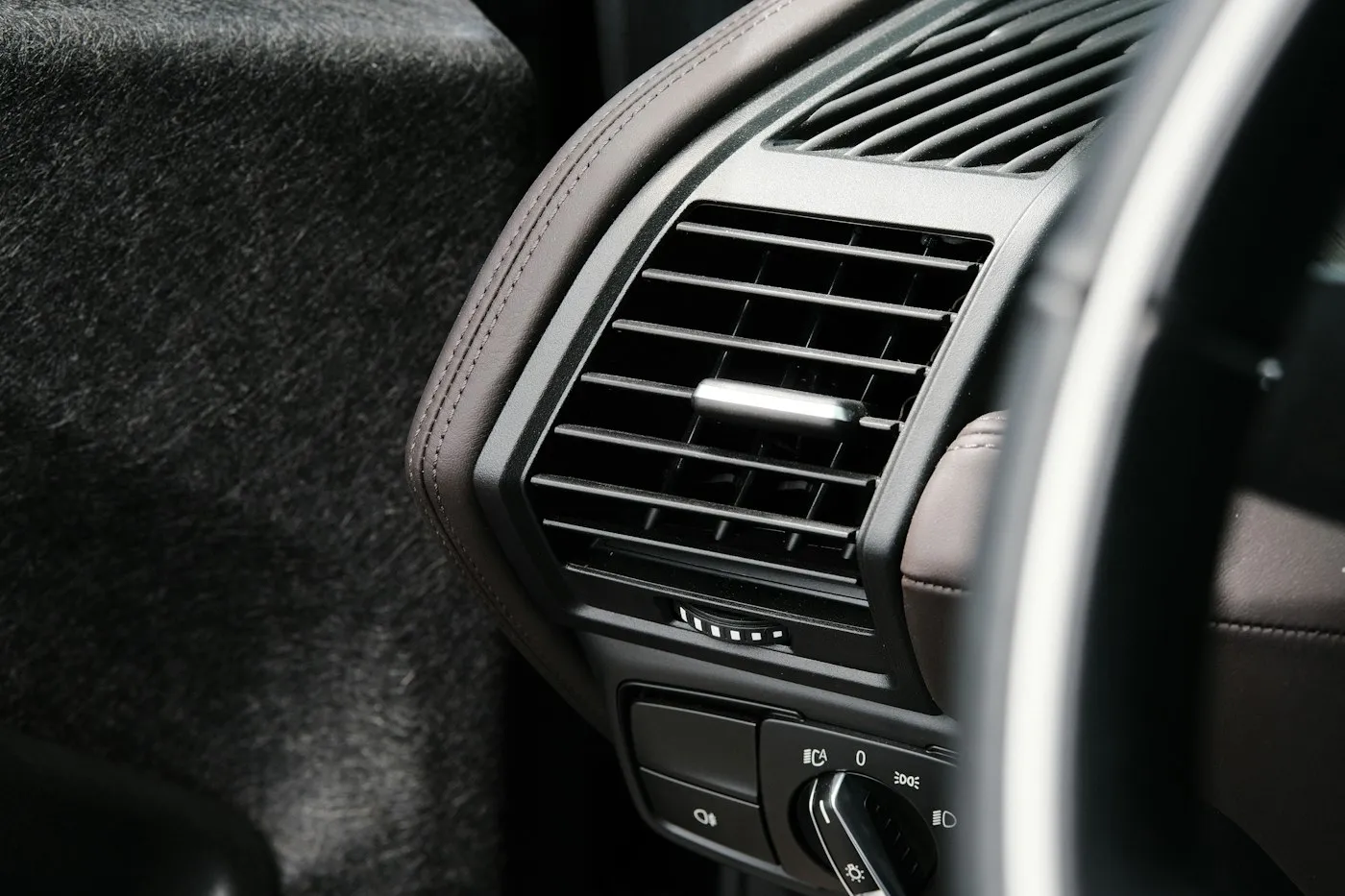
A leaking evaporator often causes a musty smell, oily residue or slow refrigerant loss. Replacing it means removing parts of the dashboard. Our technicians follow Land Rover procedures to protect trim, airbags and wiring during the job.
A stuck expansion valve can cause icing, weak cooling or air that turns warm and cold at random. We confirm the fault through pressure readings before replacing the valve. The system is then flushed, vacuumed and recharged correctly.
No airflow, weak fan speed or a whining noise behind the glovebox often points to the blower motor or its resistor. We test the motor, wiring and control module. Faulty parts are replaced and fan speeds checked across every setting.
Dubai dust clogs cabin filters fast, cutting airflow and spreading odours. We fit a quality filter and inspect the housing for sand buildup. Many owners pair this with their regular service for cleaner, stronger airflow year-round.
Faulty temperature sensors, blend door actuators and climate control modules cause uneven cooling between zones. We diagnose these faults through the HVAC module and run actuator tests. Software updates and recalibration are completed where needed.
Long-wheelbase and four-zone models have a separate rear climate circuit. A rear evaporator, expansion valve, or actuator fault can leave rear passengers sweating while the front stays cold. We test the rear system on its own and repair it fully.
Never mixed
Range Rovers use one of two refrigerants, depending on model year and market. Land Rover began introducing R1234yf refrigerant on vehicles produced from 2016, replacing the older R134a in many models. The two are not interchangeable.
| Factor | R134a | R1234yf |
|---|---|---|
| Found in | Many older vehicles | Many newer vehicles |
| Service equipment | R134a machine | Dedicated R1234yf machine |
| Compressor oil | Matched PAG oil | Different, specific PAG oil |
| Mixing allowed | No | No |
| Charge quantity | Set by Land Rover label | Set by Land Rover label |
Mixing refrigerants or using the wrong compressor oil can damage seals and the compressor. We check the label under your bonnet and use separate, dedicated machines for each refrigerant. Your system is charged to the exact weight listed for your model.
Plug-in hybrid models such as the P440e, P460e and P550e use a high-voltage electric AC compressor. It also helps cool the hybrid battery. These systems need insulated tools, safety isolation and a special non-conductive compressor oil. Using standard oil can damage the compressor’s electrical insulation. We service hybrid AC systems with the correct procedures and materials.
Know when to act
Possible causeLow gas, compressor or sensor fault
Book soon
Possible causeBlocked condenser or cooling fan fault
Book soon
Possible causeDirty filter or evaporator moisture
Book a cabin check
Possible causeBlocked filter or blower motor fault
Book soon
Possible causeCompressor or clutch wear
Book promptly
Possible causeBlend door actuator or sensor fault
Book a diagnostic
Possible causeRear AC circuit fault
Book a rear AC check
Possible causeBlocked evaporator drain
Book promptly
Clicking or grinding from the compressor needs fast attention. A failing compressor can shed debris through the whole system, turning a single-part repair into a full system job.
Generation by generation
Each generation has its own weak points. Knowing them helps us find the fault faster.
Common AC issues we see
Condenser leaks, compressor wear, rear AC faults
Common AC issues we see
Condenser leaks, cooling fan faults, compressor load
Common AC issues we see
Blend door actuators, climate module calibration
Common AC issues we see
Pressure sensor faults, condenser seal wear
Common AC issues we see
Sensor and module communication faults
Common AC issues we see
Electric compressor and battery cooling faults
Many of these faults are electronic, not mechanical. Without brand-specific diagnostics, a workshop may replace a compressor when the real fault is a sensor or module. That is an expensive mistake we help owners avoid.
How it works
We connect JLR-level diagnostic software and read every fault code from the climate control module. Live data shows sensor readings, actuator positions and compressor commands, helping us narrow the fault before any parts are touched.
We measure high and low side pressures and record vent temperatures in each zone. These readings show whether the problem is refrigerant charge, airflow, a blockage or a failing component inside the system.
UV dye, electronic sniffers and nitrogen pressure tests locate even slow leaks. We check the condenser, hoses, compressor seals, evaporator and rear circuit. Every leak found is photographed and shared with you.
You receive a clear, itemised quote with photos of the faults found. We explain each part and its cost in plain language. No work begins until you approve it, so the final bill matches the quote.
Approved parts are fitted with new seals and the correct compressor oil. The system is vacuumed to remove moisture, then charged with the exact refrigerant weight listed for your model.
We test cooling in every zone, front and rear, at idle and while driving. Vent temperatures are recorded and fault codes cleared. You collect a car that cools properly, along with a written report of the work.
The difference

Our technicians work on advanced vehicle climate systems every day. They know common faults, sensor layouts, and rear AC circuits across different generations, which means faster diagnosis and fewer wasted parts.
We never replace a compressor or condenser on guesswork. Every repair is backed by pressure readings, live data and leak tests, so you only pay for parts that are genuinely faulty.
We use dedicated machines for R134a and R1234yf and the exact compressor oil your system needs. This prevents contamination and protects seals, valves and the compressor itself.
Our team services high-voltage electric compressors in plug-in hybrid vehicles. We follow proper safety isolation procedures and use the correct non-conductive oil for these systems.
Our AC repairs come with a written warranty on parts and workmanship. If a covered fault returns, we fix it. You drive away with real peace of mind, not just cold air.
Transparent pricing
AC repair cost depends on the fault, the model and the parts needed. We give a firm quote after diagnosis.
A recharge costs far less than a compressor replacement
R1234yf costs more than R134a
Evaporator jobs need dashboard removal
Four-zone and rear AC systems have more parts
Electric compressors cost more and need extra safety steps
A failed compressor may require a full system flush
Fixing a small leak early is the cheapest way to own an AC system. Running a system low on gas strains the compressor, which is one of the most expensive parts to replace. If your AC fault links to the engine cooling fans, we may also check your radiator system during the same visit. Electrical faults behind climate errors are handled by our electrical repair team.
Answers
Still have a question? Message a technician and get a straight answer.
The most common cause is low refrigerant from a leak. Other causes include a failed compressor, a blocked condenser, a faulty pressure sensor or a stuck blend door. We test each one with diagnostic software and gauges before recommending any repair.
We recommend an AC check before every summer. Dubai heat keeps the system running almost nonstop. A yearly inspection finds small leaks, dirty filters and weak components early, before they turn into costly compressor or condenser failures in peak heat.
A standard recharge with leak testing usually takes one to two hours. If we find a leak, the repair adds time depending on its location. Evaporator and compressor jobs take longer, and we confirm the timeline in your written estimate first.
It depends on the model year and market. Many newer cars use R1234yf, while many older models use R134a. The correct type and charge weight are printed on a label under the bonnet, and we always confirm it first.
Uneven cooling between zones usually points to a faulty blend door actuator, a temperature sensor or a climate module calibration issue. These are electronic faults, not refrigerant problems. Our diagnostic tools test each actuator and sensor to find the exact cause quickly.
A musty smell usually comes from moisture and bacteria on the evaporator or a clogged cabin filter. Dubai dust makes this worse. We replace the filter, clean the evaporator area and check the drain so water can escape properly from the system.
Yes, we repair AC systems on plug-in hybrid vehicles, including models with high-voltage electric compressors that also help cool the battery. Our technicians follow strict safety isolation procedures and use the correct non-conductive compressor oil.
The car may still drive, but a failing compressor can spread debris through the system and raise repair costs. In Dubai summers, a dead AC also creates real heat stress risks for passengers. We recommend booking an inspection as soon as cooling drops.
Get started
Do not wait for the next heatwave to find out your AC is struggling. Book your AC repair with our Land Rover specialists and get a full diagnosis, a clear quote and a cabin that stays cold all summer. Use the booking form or send us a WhatsApp message to reserve your slot.