Land Rover Specialists Only
Our technicians work on Range Rovers every day. They know each generation’s weak points and spot warning signs that general inspectors often miss.
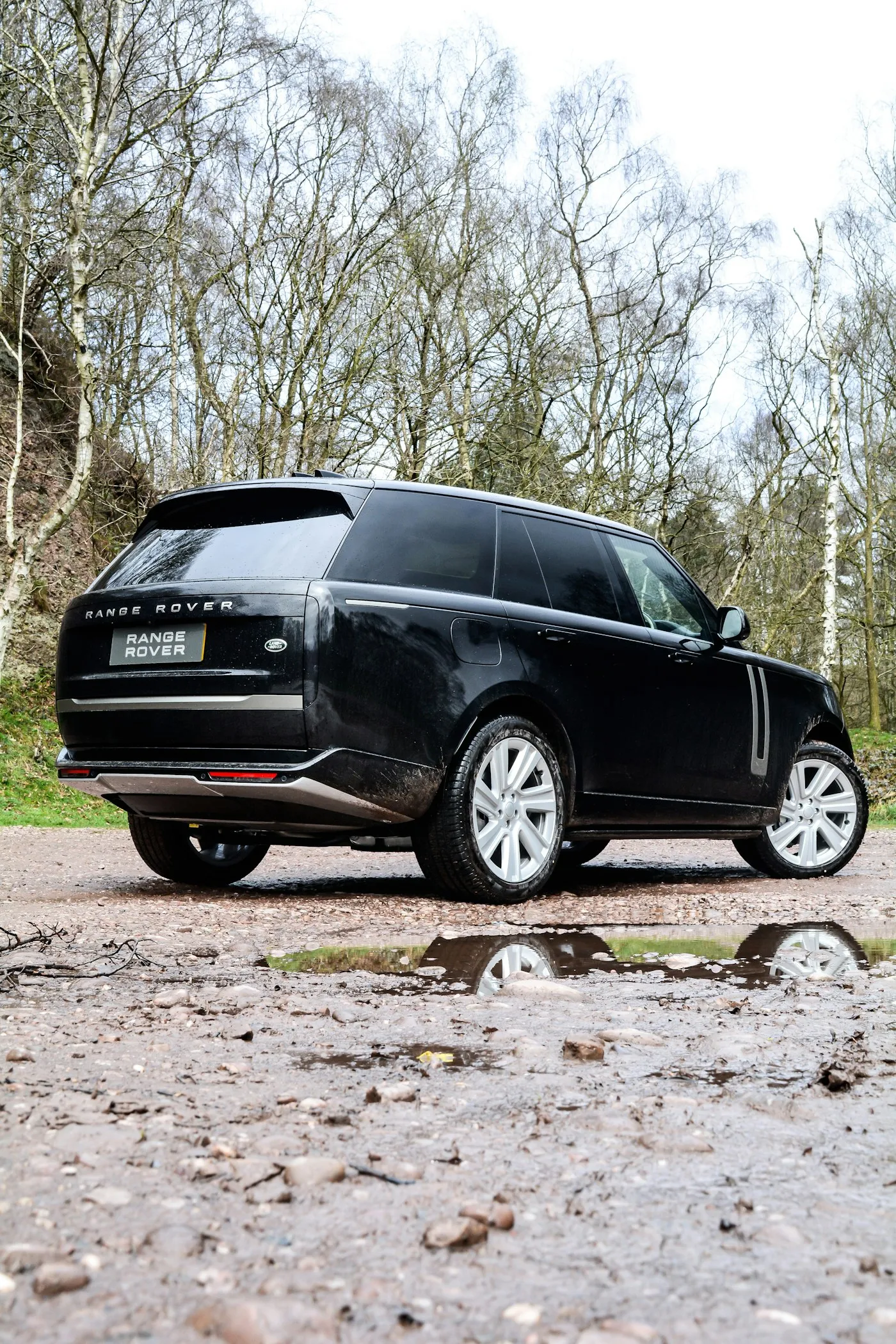
Our Land Rover-trained technicians have inspected hundreds of used Range Rovers and know where each generation hides its expensive faults. Every car is checked as carefully as if we were buying it for ourselves.
Look beyond the shine
A used luxury SUV can look perfect on the forecourt. The paint shines, the cabin smells new, and the engine starts smoothly. Yet the real problems are often invisible. An air suspension leak that only shows overnight, a timing chain rattle that disappears once warm, a flood-damaged module, a repainted door, or a gearbox that has already started to slip.
Our used car inspection in Dubai is carried out by experienced vehicle specialists, not general mechanics. We scan every control module, test every major system, and road-test the car properly. You receive a detailed report with photos, so you can buy with confidence, negotiate a fairer price, or walk away.
You receive a detailed report with photos.
Book inspectionBrand-specific warning signs
Range Rovers are complex vehicles with dozens of control modules, air suspension and advanced 4x4 systems. A general inspection often misses brand-specific warning signs.
What a Specialist Checks
Stored and historic fault codes across every module
What a Specialist Checks
Leaks, compressor health and height calibration
What a Specialist Checks
Timing chain noise, coolant leaks, oil consumption
What a Specialist Checks
Shift quality, adaptation values and fluid condition
What a Specialist Checks
Paint thickness with a gauge suited to aluminium
What a Specialist Checks
Transfer case, differentials and low range function
What a Specialist Checks
48V battery health and hybrid system faults
Aluminium bodies create a hidden trap. Many basic paint gauges only read paint on steel panels. On a Range Rover’s aluminium panels, they can give no reading or a false one. We use a gauge that measures paint on both steel and aluminium, so hidden repairs do not slip through.
9 checks in 2 areas
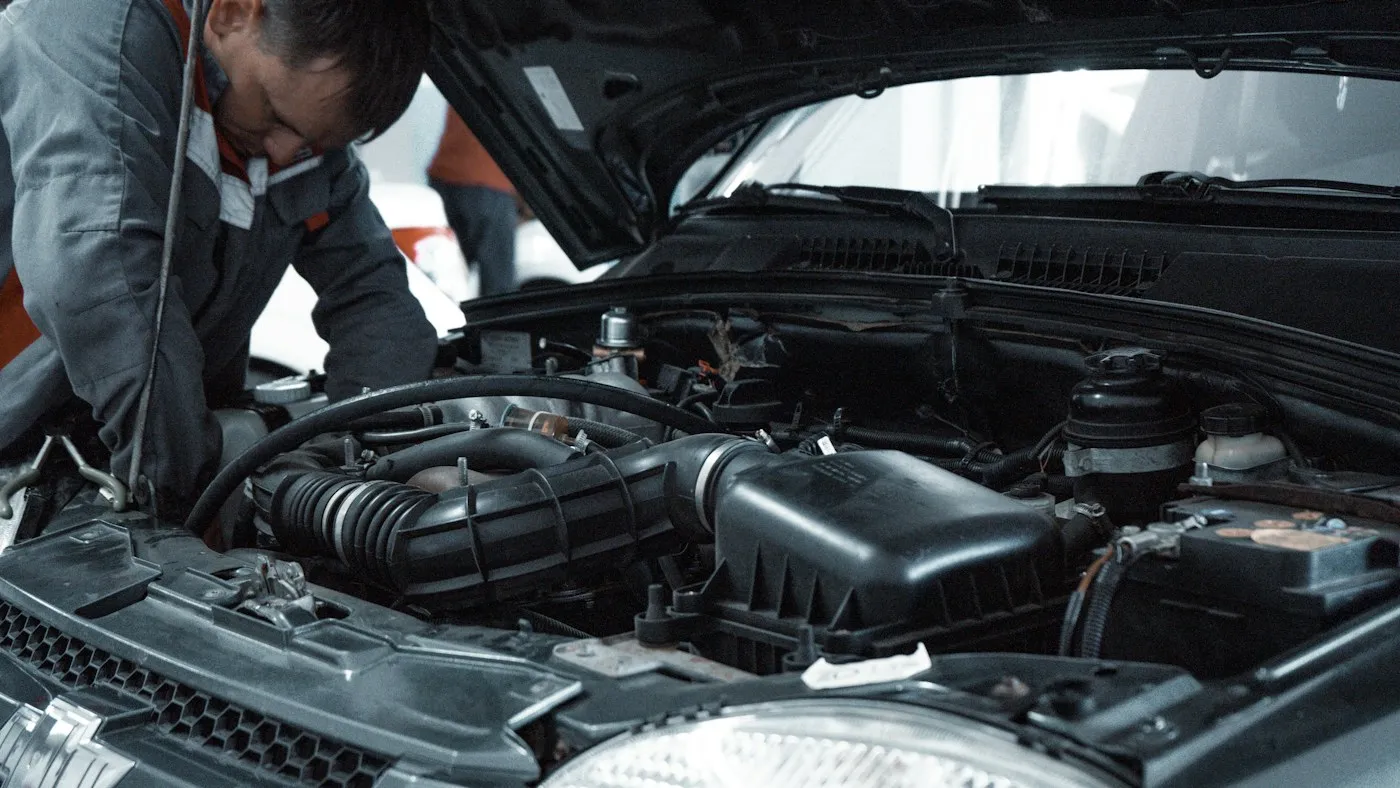
We connect JLR-level diagnostic software and read every control module in the vehicle. Stored and historic codes reveal faults a seller may have cleared just before the sale. We also check software levels and battery health records.
We listen for cold-start timing chain rattle, check for oil and coolant leaks and assess oil condition. The gearbox is checked for smooth shifts, adaptation values and fluid condition. Turbochargers and superchargers are tested for noise and boost leaks.
We test the compressor, air springs, valve block and height sensors. Each corner is checked for leaks and correct ride height. Fault history shows whether the system has been working harder than it should, a common sign of hidden leaks.
The car is inspected on a lift for off-road damage, sill impacts, leaks and corrosion. We test the transfer case, differentials, Terrain Response modes and low range where fitted. Driveshafts, mounts and suspension joints are checked for wear.
A specialist drives the car in city traffic and at highway speed. We check acceleration, braking, steering, gear changes, noises and vibrations. Systems like adaptive cruise and parking sensors are tested in real conditions.
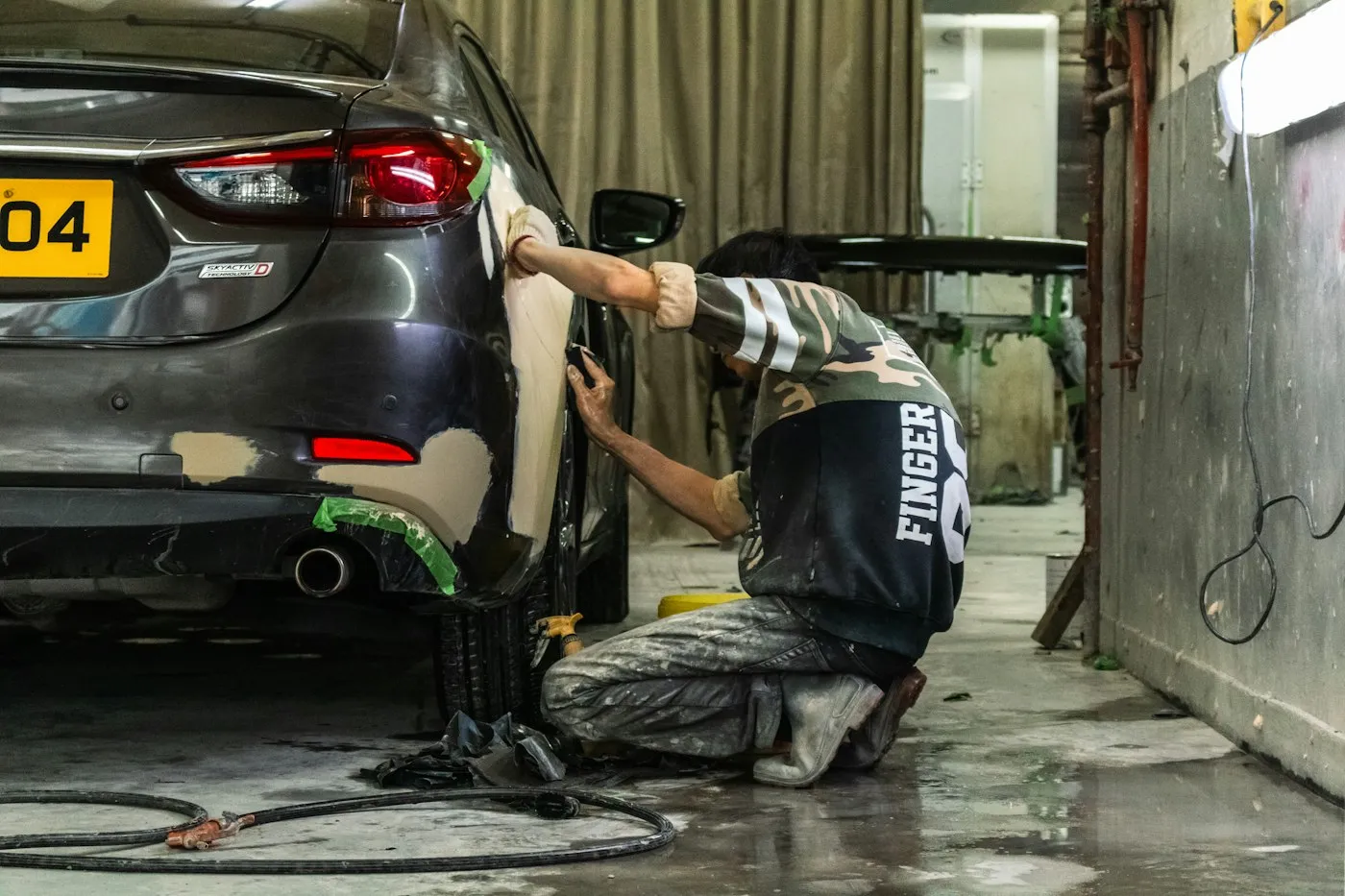
We measure paint thickness on every panel with a gauge suited to steel and aluminium. Higher readings reveal repainted or refinished panels. The results show whether the car has had accident repairs that were never disclosed.
We check under carpets, around seat rails and inside the boot for silt, corrosion and water lines. Electrical modules and connectors are inspected for moisture damage. Diagnostic history often reveals the scattered electrical faults common after flooding.
We decode the VIN and confirm it matches the vehicle’s details. Service records are reviewed for missed services, major repairs and mileage consistency. For imported cars, international history reports can reveal accident or salvage records.
GCC-specification vehicles are built to suit the region’s climate and road conditions. Imported cars may differ in cooling systems, software, and warranty support. We confirm the vehicle’s origin and explain what it means for your ownership costs.
A real risk in the UAE
Flood damage became a serious concern for UAE buyers after the April 2024 storms. Local repair shops reported engine damage as the most common issue in the cars they received afterwards. Some flood-affected vehicles were later cleaned up and offered for sale without full disclosure.
Imported cars carry their own flood risk. According to CARFAX, an estimated 482,000 water-damaged cars were already on US roads at the start of 2025. Some of these vehicles are exported and resold in other markets, including the Gulf.
Musty or damp smell in the cabin
Water trapped in carpets or insulation
Silt or sand under carpets and seats
Floodwater entered the cabin
Rust on seat rails and bolts
Long contact with water
Fog or water lines inside lights
Water reached the front of the car
Many unrelated electrical faults
Corroded wiring or damaged modules
New carpets in an older car
Possible cover-up of water damage
Flood damage can take months to show its full effect. Corroded wiring and modules often fail long after the car looks clean. That is why we check both visual signs and diagnostic fault history.
Know the car’s origin
Many used vehicles in Dubai are imported from the US, Canada, Japan or Europe. Knowing the car’s origin helps you understand its value and future running costs.
| Factor | GCC Specification | Imported Vehicle |
|---|---|---|
| Built for local climate | Yes, designed for GCC conditions | Built for its original market |
| Local service history | Usually available | Often missing or incomplete |
| Warranty and dealer support | Supported through the local network | May be limited or unavailable |
| Accident or salvage history | Checked through local records | Needs international history reports |
| Speedometer and settings | Kilometres and regional settings | May show miles or other regional settings |
| Resale value in the UAE | Generally stronger | Often lower |
An imported vehicle is not automatically a bad buy. However, it needs extra checks, especially for salvage titles, flood history, and mileage consistency.
Measured on every panel
Paint thickness tells us whether a panel has been repainted or repaired. We measure every panel and compare the readings across the car.
A repainted panel is not always a deal-breaker. Small cosmetic repairs are common. What matters is honesty and quality, and our report shows you exactly where repairs have been made.
Similar to other factory panels
Original factory paint
Noticeably higher than nearby panels
Panel has been repainted
Very high readings in one area
Possible body filler beneath the paint
Uneven readings within one panel
Spot repair or blended paint
Very low readings
Heavy polishing has thinned the clear coat
Make a confident decision
Every inspection ends with a clear written report, so you can make a confident decision.
Many buyers use the report to negotiate a lower price. Others use it to walk away from a costly mistake. Either way, you make the decision with real information.
How it works
Share the car’s model, year, mileage and VIN when booking. We check its history in advance where possible. The inspection can take place at our workshop or, by arrangement, at the seller’s location.
Every control module is scanned with JLR-level software. Stored and historic fault codes are recorded, including codes a seller may have cleared recently. Software levels and battery health are checked as well.
We inspect the engine, gearbox, cooling system and air suspension. Leaks, noises and worn parts are recorded. The car goes on a lift so we can inspect the underbody and 4x4 systems closely.
Every panel is measured for paint thickness and checked for alignment. We inspect the cabin, boot and electrical connectors for signs of flood damage, corrosion or hidden water exposure.
A specialist drives the car in traffic and at speed. Acceleration, braking, steering, gear changes and driver assistance systems are tested under real conditions to confirm how the car performs.
You receive a written report with photos and repair estimates. We walk you through the findings and answer your questions, so you know exactly what you are buying before any money changes hands.
The difference
Our technicians work on Range Rovers every day. They know each generation’s weak points and spot warning signs that general inspectors often miss.
We scan every control module, not just the engine. Historic fault codes reveal problems that a seller may have hidden by clearing warnings just before a viewing.
Our paint gauge reads both steel and aluminium panels. Hidden repairs on aluminium bodies are detected accurately instead of slipping through unnoticed.
We do not sell cars, so our advice is completely independent. Our only goal is to give you an accurate picture of the car’s condition.
Every finding is documented with photos and estimated repair costs. You get a report you can use to negotiate, plan repairs or confidently walk away.
Think carefully
Some findings mean you should think carefully before buying. These are the issues we see most often on used vehicles in Dubai.
Why it mattersHidden air leaks and possible compressor failure
Why it mattersPossible timing chain wear
Why it mattersSeller may be hiding recurring problems
Why it mattersCan lead to overheating or engine damage
Why it mattersPossible undisclosed accident history
Why it mattersMissed maintenance on a complex vehicle
Why it mattersLong-term electrical problems are likely
Finding a problem does not always mean walking away. Sometimes it simply means negotiating a fairer price that covers the repair. Body repairs can be handled by our body shop team, while suspension faults go to our suspension repair specialists.
Answers
Still have a question? Message a technician and get a straight answer.
A full inspection usually takes around two to three hours, including the diagnostic scan, lift inspection and road test. Older or higher-mileage cars may take longer. You receive the written report with photos shortly after the inspection is complete.
Yes, we can arrange inspections at a dealership or private seller’s location in Dubai. Some checks, like a full lift inspection, are most thorough at our workshop. We confirm the best option for your situation when you book the inspection.
GCC-specification cars are built for regional conditions and usually have local service records. Imported cars may have different software, missing history or limited warranty support. We confirm the car’s origin and explain what it means for value and ownership.
We look for silt under carpets, rust on seat rails, water lines in lights and damp smells. We also inspect electrical connectors and fault histories. Flood-damaged cars often show many unrelated electrical faults, which our diagnostic scan helps reveal.
Paint thickness shows which panels have been repainted or repaired. Higher readings than nearby panels usually point to accident repair. Because many vehicles use aluminium panels, we use a gauge that reads both steel and aluminium accurately.
Yes. Even newer vehicles can have accident repairs, flood exposure or electronic faults. An inspection confirms the car’s condition and checks for recalls and software updates. It costs far less than any major repair you could miss.
Yes. Many buyers use our report to negotiate a lower price based on the repairs needed. Each fault includes photos and an estimated repair cost. This gives you clear, factual evidence to support your offer when speaking with the seller.
Get started
Buying a used vehicle is a major investment. Book a pre-purchase inspection with our Land Rover specialists and get a complete, independent report before you commit. Use the booking form or send us a WhatsApp message to reserve your slot.