Land Rover-Only Focus
We work on Land Rover and Range Rover vehicles every day. Our technicians know each engine’s oil needs, filter layout and common weak points across every generation.
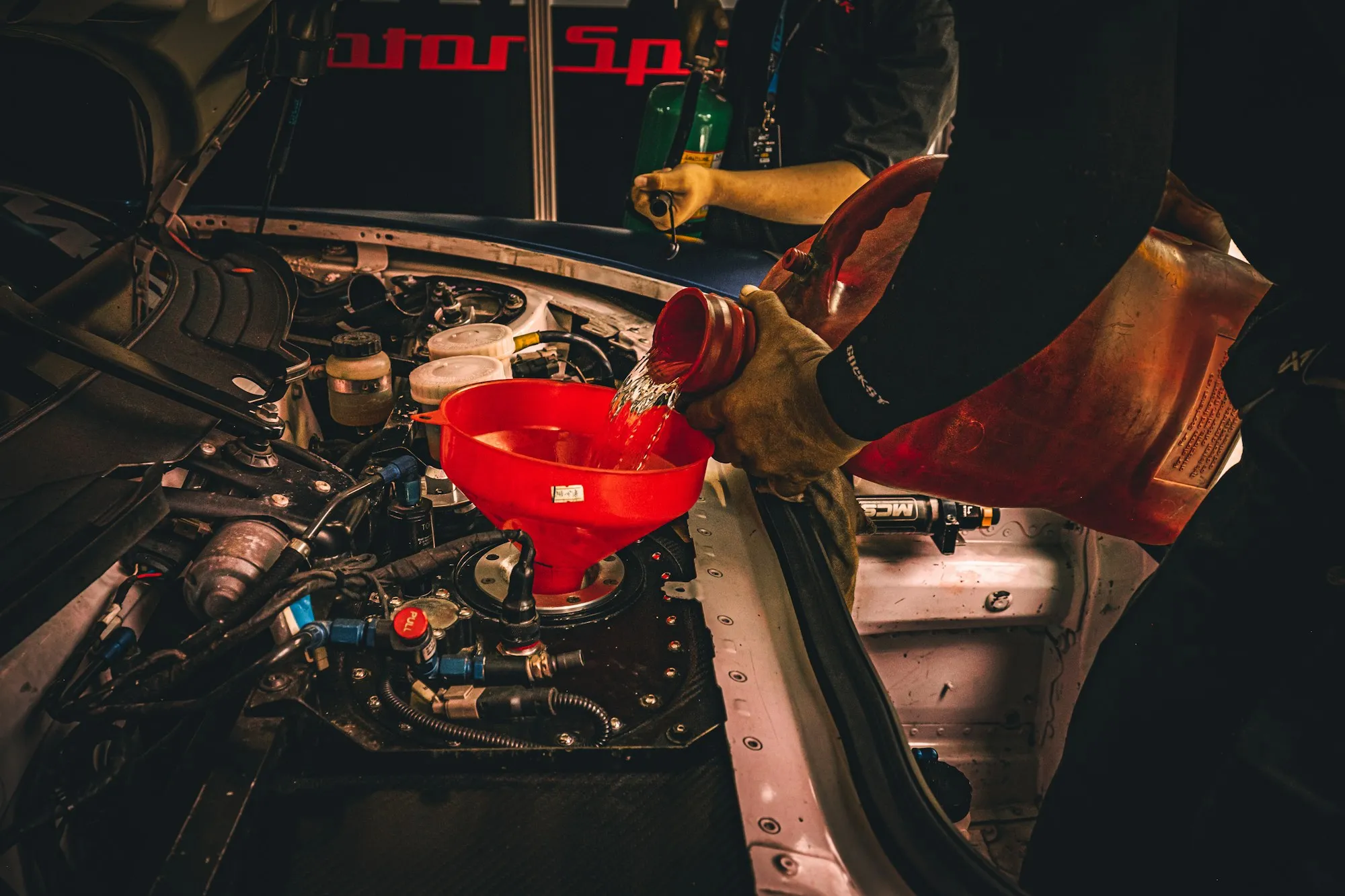
Our Land Rover-trained technicians have changed oil on every Range Rover generation through Dubai’s toughest summers. Each service uses VIN-matched, JLR-approved oil and a new filter, with the same care we would give our own car.
Five checks, every visit
Our oil service in Dubai is more than a drain and refill. Each visit covers five checks that protect the engine between services.
A clogged filter lets abrasive particles circulate through the engine. We fit a new filter matched to your engine, along with fresh seals and a new drain plug washer where required. Cartridge and spin-on filters are both handled to Land Rover torque settings.
Many newer cars have no traditional dipstick. They report oil levels electronically. We follow the correct temperature, parking and waiting steps before reading the level. This prevents the overfilling and underfilling that guesswork often causes.
Fresh oil is useless if it cannot reach the bearings. We check oil pressure readings through diagnostic software and confirm there are no stored pressure faults. Low readings can point to a worn pump, a blocked pickup or internal engine wear.
Some oil use between services is normal. Frequent top-ups are not. We record the level at each visit and track how much your engine uses. Rising consumption can signal worn piston rings, turbo seal leaks or a failing breather system.
Once the work is complete, we reset the service indicator using diagnostic software. The next reminder then calculates correctly from the new oil. We also record the mileage, oil specification and filter on your invoice for future buyers and workshops.
Heat breaks oil down
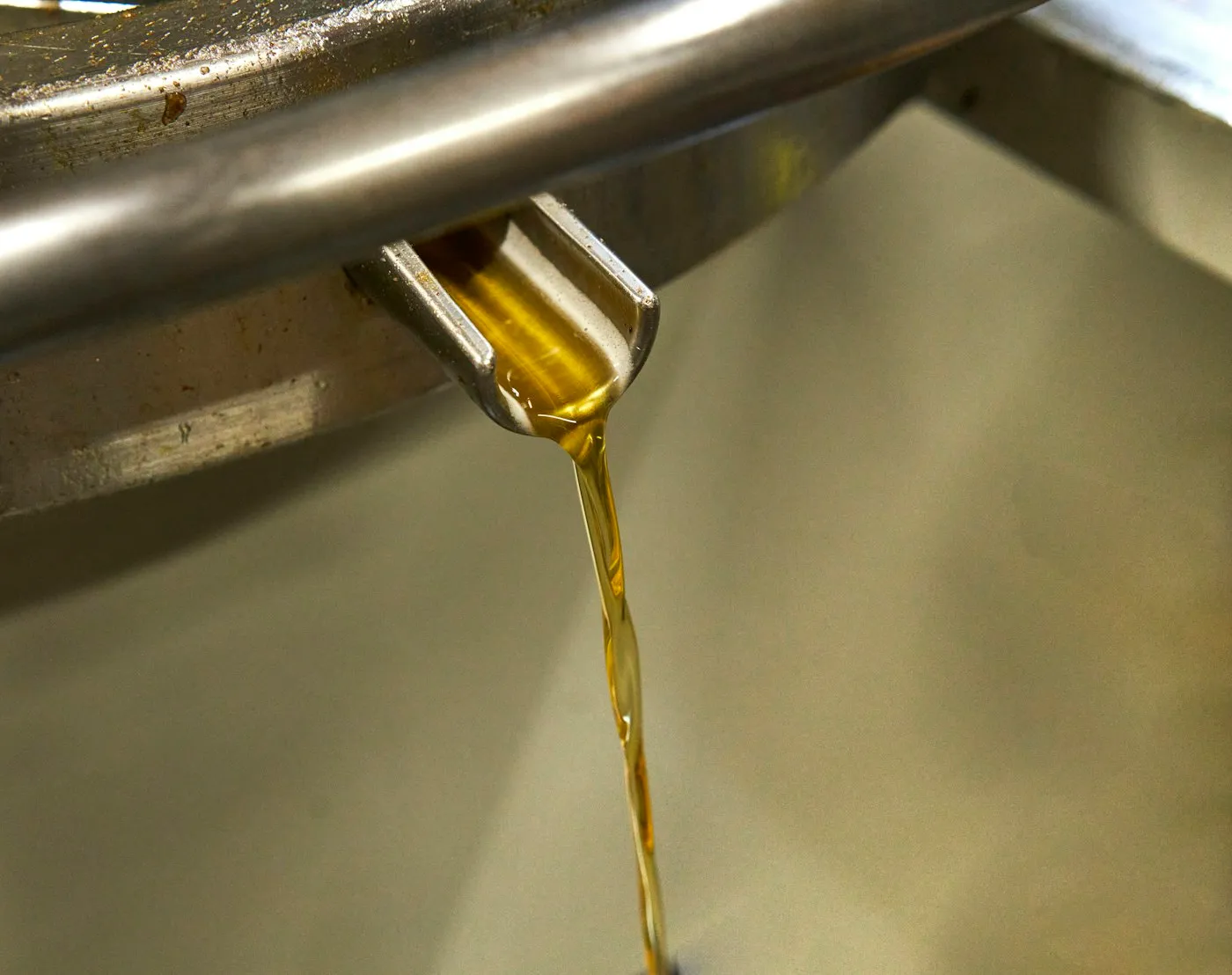
Heat is the main reason engine oil breaks down. Lubrication research shows that oil oxidation roughly doubles for every 10°C rise once oil passes its working temperature. In practical terms, oil life can be cut in half.
Dubai adds several stress factors at once. Summer air temperatures often pass 45°C. Engine bays get hotter still during slow traffic on Sheikh Zayed Road. Fine sand finds its way past air filters. Short trips stop the oil from burning off moisture and fuel. Together, these conditions age oil far faster than a mild European climate does.
Oxidised oil thickens, forms sludge and leaves varnish on timing chains and turbochargers. Engines rely on clean oil for chain tensioners, variable valve timing and turbo bearings. That makes regular oil changes in Dubai one of the cheapest forms of engine protection.
Oil oxidation rate
In practical terms, oil life can be cut in half.
How often
Land Rover sets two kinds of schedules. The standard plan assumes normal driving. A separate harsh-conditions schedule applies to heat, dust, towing and heavy traffic, and it calls for servicing every 10,000 km or 6 months.
| Driving Pattern | Land Rover Guide | Our Dubai Recommendation |
|---|---|---|
| Mostly highway, mild use | Standard plan, up to 26,000 to 34,000 km or 12 to 24 months by engine | Every 10,000 to 12,000 km or 12 months |
| City traffic and short trips | Harsh-conditions plan | Every 10,000 km or 6 months |
| Desert driving or towing | Harsh-conditions plan | Every 7,500 to 10,000 km or 6 months |
| Low mileage, car often parked | Time-based limit applies | Every 6 months regardless of distance |
| Performance models, SVR and V8 | Follow service indicator | Every 8,000 to 10,000 km or 6 months |
Most Dubai drivers fall into the harsh-conditions group without realizing it. Waiting for the dashboard reminder is not always safe. Some indicators calculate from distance and time but cannot fully measure local heat and dust.
Approval, not just viscosity
“Fully synthetic 5W-30” is not a complete answer. Land Rover approved oils against its own STJLR specifications. Two oils with the same viscosity can meet different standards. Using the wrong one can affect turbochargers, timing chains and diesel particulate filters.
Castrol’s current JLR oil listings show that STJLR.03.5006 is now the main 0W-20 petrol standard. Its latest product data sheet confirms that the current EDGE Professional EC 0W-20 suits petrol, diesel and hybrid Land Rover engines that need this standard. It also covers engines that once called for the older STJLR.51.5122 oil.
The newest Range Rover and Range Rover Sport V8 models use a different engine family from the older 5.0 supercharged V8. Their oil requirements differ too. That is why we always confirm the exact approval from your VIN before opening a single bottle.
One of our most frequent jobs
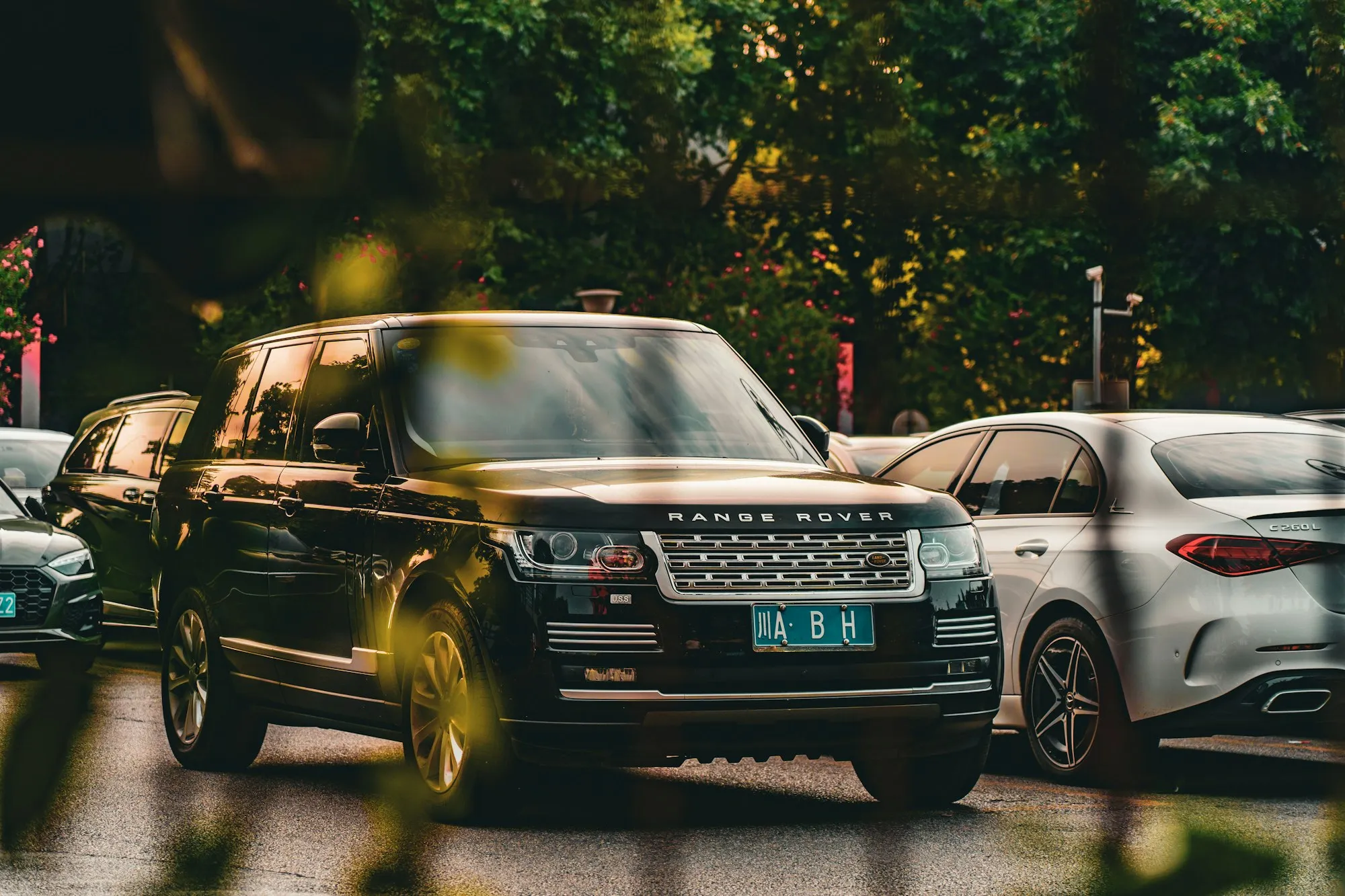
The Sport oil change is one of our most frequent jobs. The Sport combines high outputs with a heavy body, so its oil works under constant load. Owners of the L494 and the current L461 generations visit us for petrol, diesel, SVR and plug-in hybrid versions.
Each Sport engine has its own oil capacity, filter design and specification. The 5.0 supercharged V8 in older SVR models needs a different oil from the 3.0 Ingenium mild-hybrid engines. Plug-in hybrid models such as the P460e and P550e still need regular oil changes. Their petrol engine may run less, but it often runs in short, cool bursts that contaminate oil with moisture.
For any Sport oil change in Dubai, we confirm the engine code first. This avoids the most common mistake we see from general garages: one oil for every Sport.
Know when to act
Do not wait for a warning light to tell you the oil is tired. These signs show it is time to book.
Possible causeScheduled oil change is due
Book within a week
Possible causeLevel has dropped below the safe range
Check level and book soon
Possible causeOil is not circulating properly
Stop safely and call for recovery
Possible causeLow oil or worn timing chain parts
Book promptly
Possible causeOil leaking onto hot exhaust parts
Book a leak inspection
Possible causeEngine burning oil
Book a consumption check
Possible causeOil aged by Dubai heat
Book your oil service
A red oil pressure warning is never a routine booking. Driving even a short distance with low oil pressure can damage bearings and the turbocharger. If the warning appears, switch off the engine and arrange recovery.
Shortcuts we never take
Many engine problems we repaired began with a poor oil change elsewhere. These are the shortcuts we never take.
Matching the numbers on the bottle is not enough. The oil must carry the correct JLR approval for your engine.
Too much oil can foam, raise crankcase pressure and push oil past seals. We fill to the measured capacity, then verify the level properly.
Electronic oil sensors need the engine at the right temperature and the car level. A reading taken too soon often shows a false low.
Aggressive engine flush chemicals can harm seals and loosen deposits into the oil pump. We only recommend a flush when there is a clear cause.
Clearing the reminder proves nothing. Every job we do is documented with the oil type, filter and mileage.
How it works
We start with your VIN, model year and engine code. This confirms the correct oil specification, capacity and filter. It also flags any open recalls or service bulletins linked to your vehicle’s engine.
Before draining, we check for leaks, damaged undertrays and signs of a poor previous oil change. A diagnostic scan reads oil pressure and level history. Any concerns are reported to you before work starts.
Warm oil is drained fully so old contaminants leave with it. We fit a new filter, fresh seals and a new drain plug washer. Every part is tightened to Land Rover’s specified torque settings.
The engine is refilled with JLR-approved oil in the measured quantity for your engine. We never pour in a guessed amount. The cap and filter housing are then checked for a secure, leak-free seal.
The engine is run, then rested on level ground for the correct reading. We confirm the oil level and pressure through diagnostic software. The car is checked underneath once more for any fresh leaks.
We reset the service indicator and record the work on your invoice. You receive the oil specification, filter details and mileage in writing. We also share any findings worth watching before your next visit.
The difference
We work on Land Rover and Range Rover vehicles every day. Our technicians know each engine’s oil needs, filter layout and common weak points across every generation.
Every oil is chosen from your VIN and engine code, not the model name. This guarantees the correct JLR approval, capacity and filter for your exact vehicle.
We read oil pressure, level history and stored faults with brand-specific software. Problems hidden behind a routine reminder are found early, before they become expensive repairs.
Most oil changes are completed in under an hour. You can wait in comfort or drop the car off and collect it later the same day.
Your invoice lists the oil specification, filter and mileage clearly. This builds a service history that supports resale value and helps any future buyer trust the car.
Transparent pricing
The price of an oil change depends on your exact vehicle. A single model name can cover several engines, so we quote after confirming your VIN.
A 5.0 V8 holds far more oil than a 2.0 Ingenium engine
Some JLR-approved oils cost more than others
Cartridge and spin-on filters differ in price
Some models need undertrays removed before draining
Leaks or worn seals are quoted separately for approval
Skipping oil changes to save money rarely works. A worn timing chain or damaged turbo costs many times more than years of correct servicing. If our checks reveal a leak or unusual oil use, we may suggest a follow-up engine inspection before it worsens. Many owners combine their oil change with a brake check or battery test in the same visit.
Answers
Still have a question? Message a technician and get a straight answer.
Land Rover’s harsh-conditions schedule calls for every 10,000 km or 6 months. Dubai heat, dust and traffic fit those conditions for most drivers. We recommend that interval even if your dashboard reminder suggests a longer gap between services.
It depends on your exact engine and market. Petrol V6 and V8 engines often use 0W-20 oil, while diesels use 5W-30 or 0W-30. The oil must carry the correct JLR approval, so we always confirm it using your VIN.
Most oil changes are finished in under an hour. That includes the filter change, refill, level and pressure checks and service reset. Extra time is only needed if we find a leak or another issue that you want fixed.
No, thicker oil is not automatically better in hot weather. Engines are designed for specific low-viscosity oils that flow quickly to the timing chain and turbo. Changing viscosity without approval can reduce protection, especially during cold starts.
Many newer engines have no traditional dipstick. They show oil levels electronically through the instrument panel or touchscreen. The reading needs the engine warm and the car on level ground, so early readings can look misleadingly low.
A small amount of oil use is normal, especially on turbocharged engines. Needing frequent top-ups is not. We track consumption at each visit to spot worn rings, turbo seal leaks or breather faults before they cause wider engine damage.
Yes, plug-in hybrid models like the P460e and P550e still need regular oil changes. Their petrol engine runs in short, cool bursts that can trap moisture in the oil. Time-based servicing matters more than mileage for these hybrid vehicles.
Using an independent workshop does not void your warranty when the correct JLR-approved oil and parts are used on schedule. Keep your invoices safe. Ours record the oil specification, filter and mileage clearly for every car we service.
Get started
Fresh, correct oil is the simplest way to protect an engine in Dubai. Book your oil change with our Land Rover specialists and get the right oil, a new filter and a full set of checks in under an hour. Use the booking form or send us a WhatsApp message to reserve your slot.