Land Rover Paint Experience
Our painters work on vehicle finishes regularly, from standard metallics to SV Bespoke colours. They understand how each finish behaves and how to match it under Dubai’s bright sun.
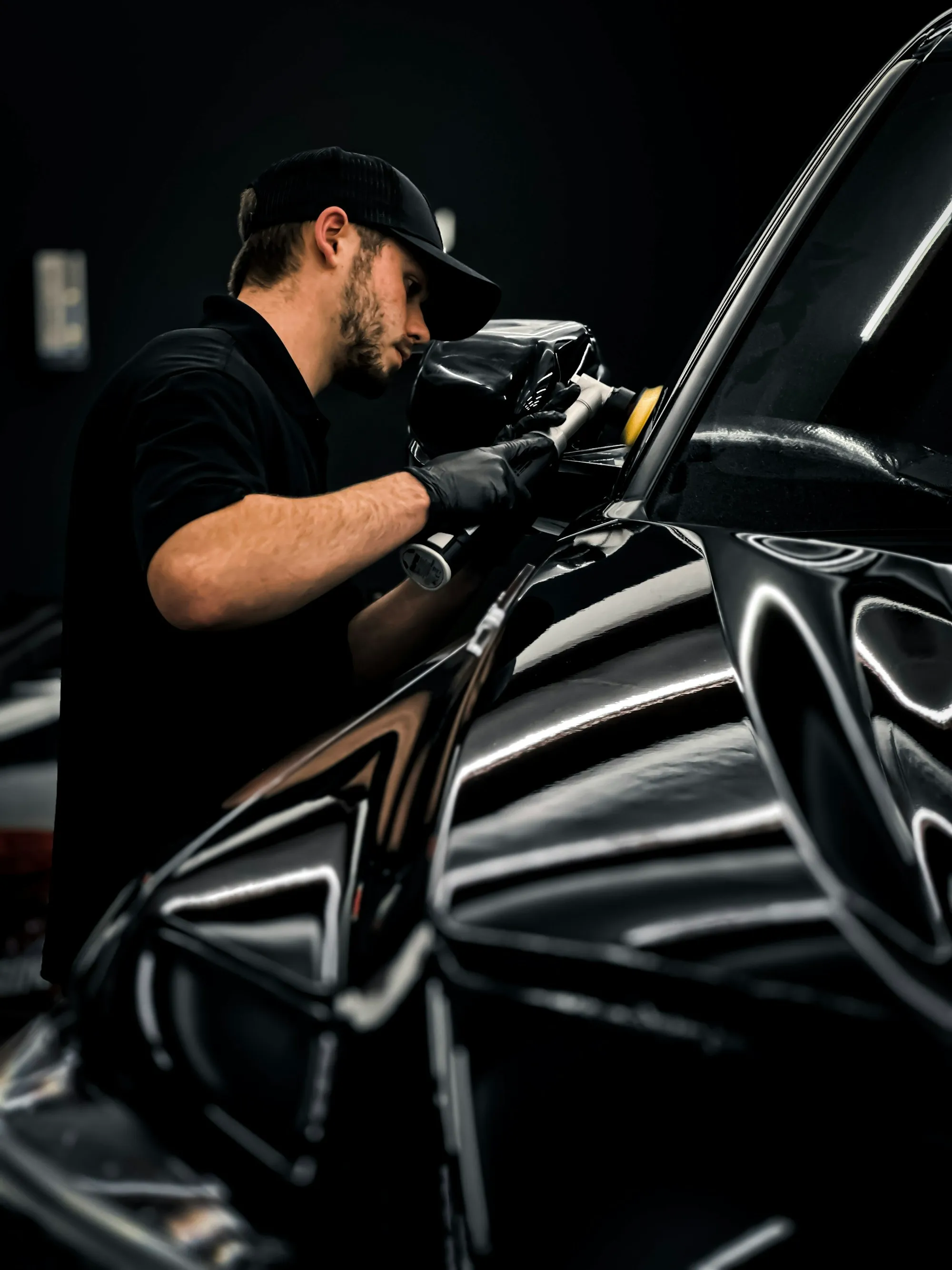
Our paint specialists have refinished Range Rovers in everything from Santorini Black to SV Bespoke satin colours. Every panel is measured, matched and finished with the patience and pride we would give our own car.
First impressions
People notice a vehicle’s paint before anything else. A deep, even gloss signals a well-kept car. A faded bonnet, a peeling roof or a mismatched bumper does the opposite, and it costs real money at resale. Buyers and dealers in Dubai inspect paint closely because they know how hard the climate is on it.
Dubai’s sun is one of the toughest tests any paint finish can face. Monthly maximum UV levels in Dubai stay around 10 to 11 through summer, and peak at 11 in spring, which sits in the “extreme” category. That constant UV breaks down clear coat, fades darker colours and leaves roofs and bonnets looking dull long before the rest of the car. Add sand, car park scrapes and frequent washing, and paint damage builds up quickly.
Our painting service in Dubai restores the finish the right way. We measure paint thickness, identify exactly which layer is damaged and choose the least invasive fix. Sometimes that means machine polishing. Sometimes it means a panel is refinished. Either way, the result matches the rest of the car.
Either way, the result matches the rest of the car.
Book paint inspectionLayer by layer
Understanding paint layers explains why some damage polishes out and other damage needs a refinish.
Total factory paint on most cars measures only around 100 to 140 microns, thinner than a sheet of paper in some areas. That is why we measure with a paint thickness gauge before polishing. Removing too much clear coat can leave the paint exposed and force a respray later.
Range Rovers also use some of the most advanced paint finishes in the industry. Land Rover’s SV Bespoke palette offers up to 230 colours in gloss, satin or matte. Bespoke gloss cars also receive a thicker top-coat lacquer with custom flatting and polishing. Matching these finishes takes the right products, equipment and experience.
9 services in 2 areas
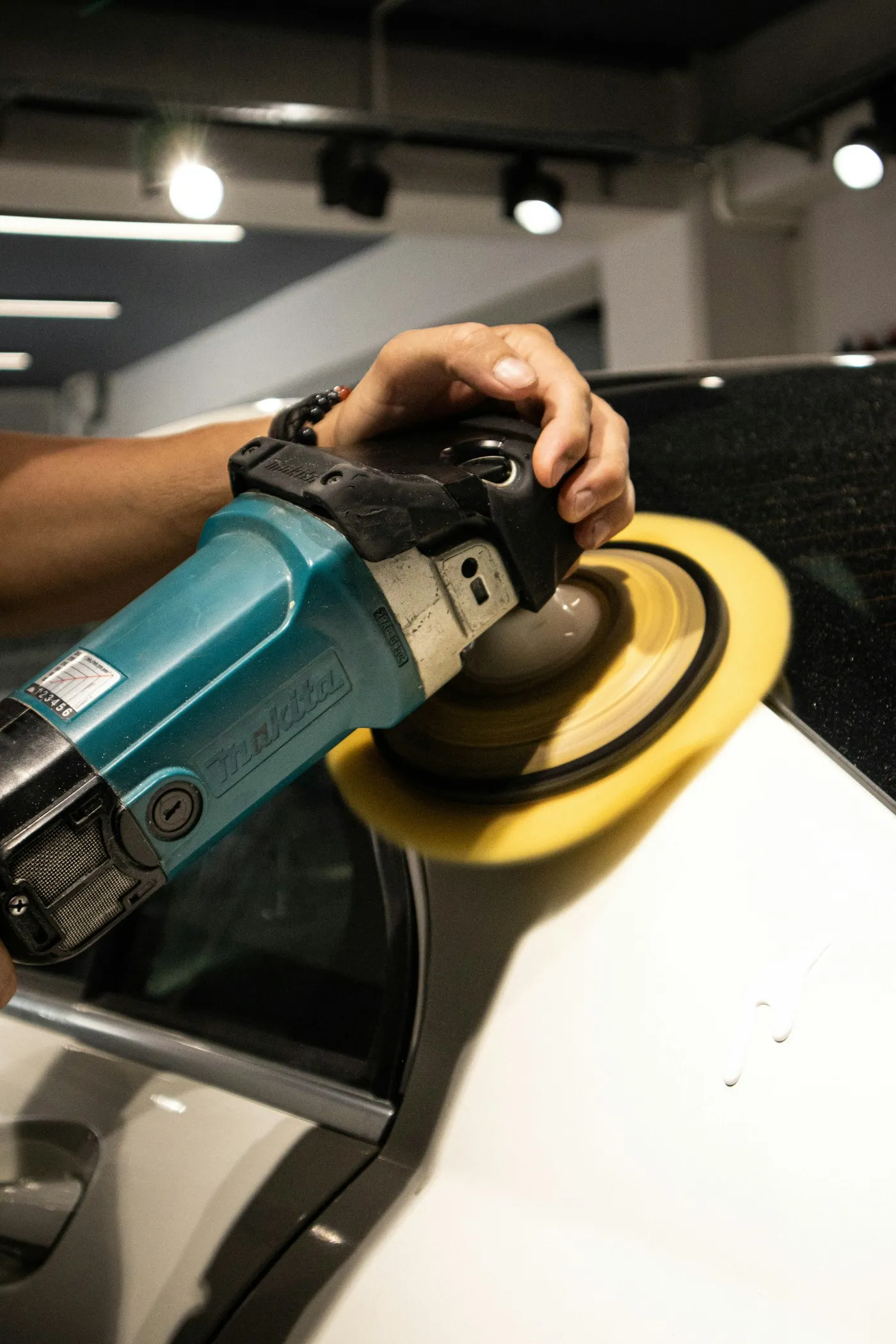
Light scratches in the clear coat can often be polished out without paint. Deeper scratches that reach the colour or primer need touch-up or panel refinishing. We test each scratch to choose the smallest repair that gives a perfect result.
Stone chips, bird dropping etching, tree sap and chemical stains all damage paint differently. We assess each mark, clean the area and repair it with the right method. Chips are sealed early to stop corrosion spreading underneath.
Peeling clear coat cannot be polished or patched successfully. The failed layer must be sanded back to stable paint, then refinished. We repair the affected panels and blend them so the new clear coat matches the surrounding gloss.
UV exposure dulls roofs, bonnets and pillars first. Light fading can often be restored with machine compounding and polishing. Where the clear coat has broken down, we refinish the panel to bring back deep, even colour.
Swirl marks, holograms and wash scratches make paint look dull and cloudy. We measure paint thickness, then correct the surface in stages with machine polishing. The result is a clear, reflective finish without removing more clear coat than necessary.
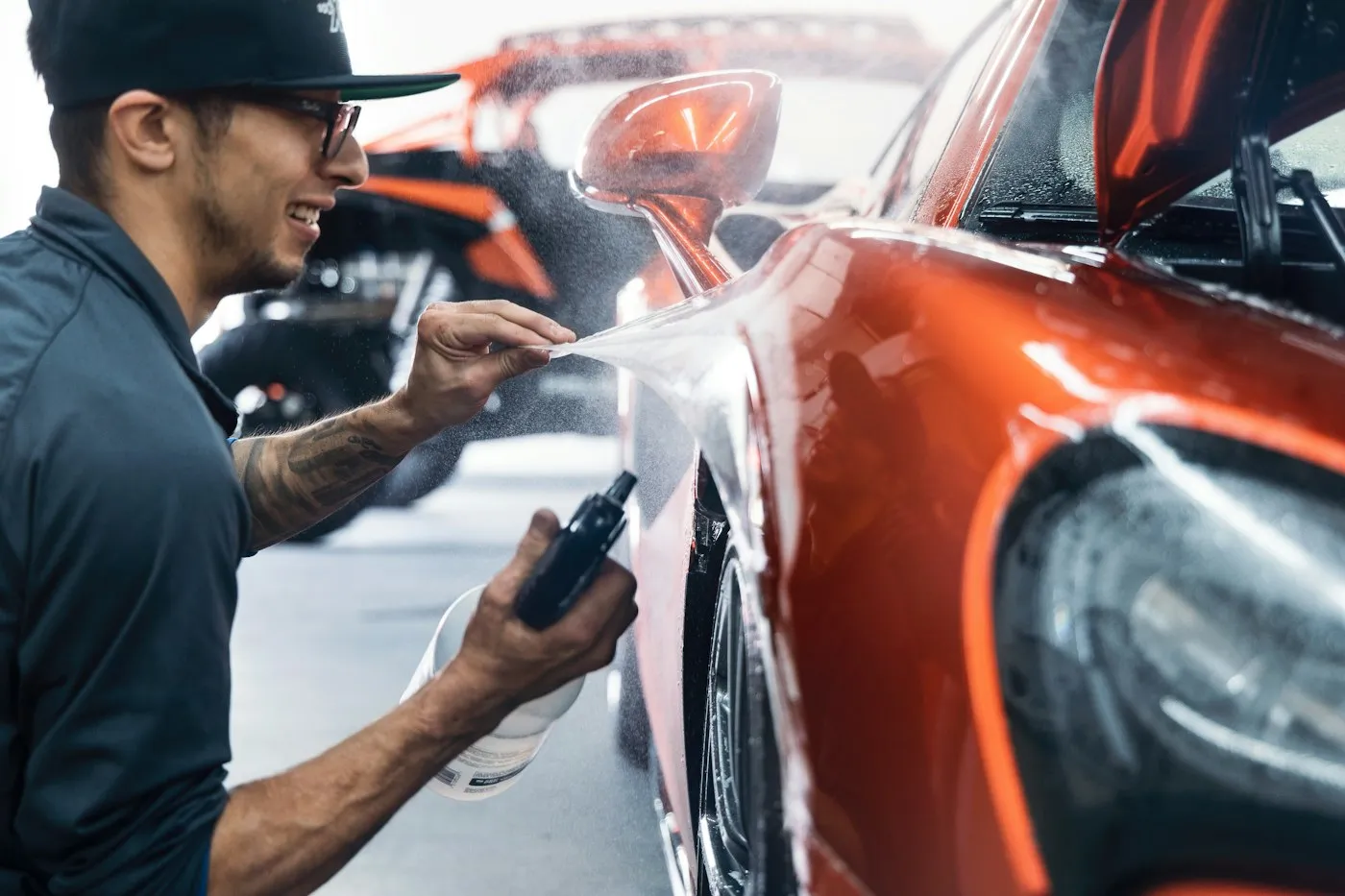
A full respray suits cars with widespread fading, peeling or a colour change request. Panels are stripped of trim, prepared, primed and painted in a controlled booth. Every surface is cured, polished and inspected under bright lights before reassembly.
Bumpers take the most scrapes and chips. We repair cracks, smooth damaged areas and apply flexible primers suited to plastic. Parking sensors are removed and refitted carefully, and the colour is blended to match nearby panels.
We start with your Land Rover paint code, then use a spectrophotometer and spray-out cards to confirm the shade. Small adjustments account for fading on the existing paint. This ensures new paint matches perfectly in sunlight and shade.
Satin and matte finishes cannot be polished like gloss paint, so mistakes cannot be buffed away. We first check whether the finish is paint or a factory satin film. Repairs are then refinished using matching low-gloss clear coats applied with precise control.
Least invasive first
The right repair depends on how deep the damage goes. We always start with the least invasive option that delivers a flawless result.
| Type of Damage | Best Repair | Paint Needed |
|---|---|---|
| Swirls and wash marks | Paint correction and polishing | No |
| Light clear coat scratch | Machine polishing | No |
| Scratch into colour coat | Touch-up or panel refinish | Yes |
| Stone chips | Chip repair and sealing | Small amount |
| Light sun fading | Compounding and polishing | No |
| Heavy fading or chalky paint | Panel refinish | Yes |
| Peeling clear coat | Sand back and refinish | Yes |
| Widespread damage or colour change | Full respray | Yes |
We test a small area first before committing to a repair method. You see the result and approve the approach before we treat the whole panel.
Know your finish
Different vehicle finishes require specific care and repair methods. Knowing which finish your vehicle has helps prevent costly mistakes and ensures the right treatment.
Some manufacturers, including Land Rover, use satin protective film over gloss paint on certain models instead of satin paint. Automotive publication The Autopian notes that this satin film approach can heal light scratches and is easier to care for. We confirm which finish your car has before recommending any repair.
How it works
We inspect every panel under bright lights and measure paint thickness with a gauge. This shows how much clear coat remains and whether earlier repairs exist, guiding the safest repair method for your car.
You receive an itemised estimate with photos of each damaged area. We explain whether polishing, touch-up or refinishing is needed. No work begins until you approve the plan and the final cost.
Trim, badges and sensors are removed where needed. Damaged areas are sanded, cleaned and masked carefully. Primer is applied and smoothed so the new paint sits perfectly flat on the surface.
Your paint code is confirmed with a spectrophotometer and test cards. Base coat and clear coat are applied in a controlled booth, then cured. New paint is blended into nearby panels for an invisible transition.
Cured paint is wet-sanded where needed and machine polished to match the factory texture. Satin and matte finishes are left unpolished to keep their correct sheen. Trim and sensors are then refitted.
Every repaired panel is checked under inspection lamps from several angles. We confirm colour, gloss and texture match the rest of the car. You receive a written report and your paint warranty details.
The difference
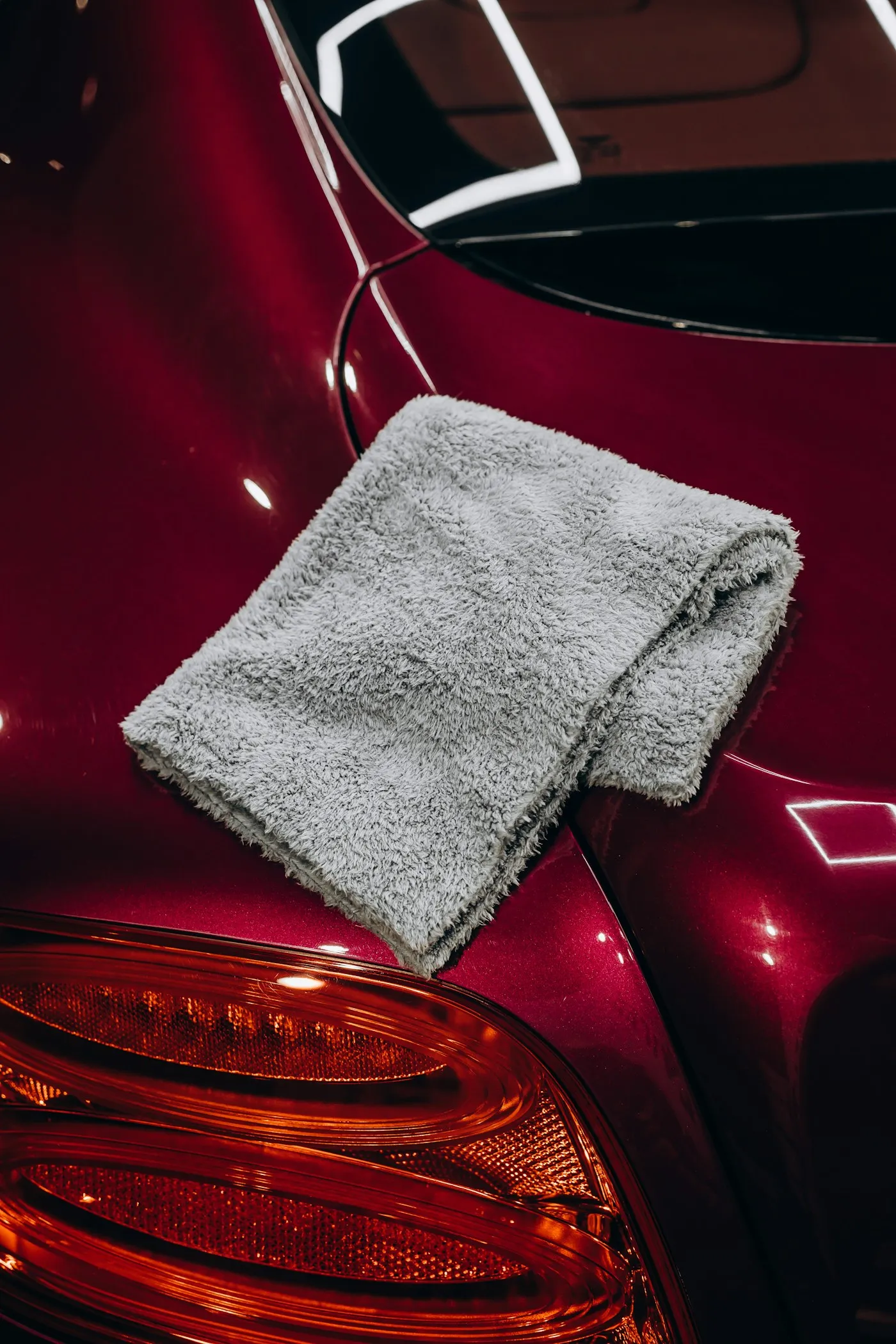
Our painters work on vehicle finishes regularly, from standard metallics to SV Bespoke colours. They understand how each finish behaves and how to match it under Dubai’s bright sun.
We measure paint thickness before every polish or repair. This protects your clear coat, avoids burning through thin areas and keeps future repair options open for your vehicle.
Paint codes, spectrophotometer readings and spray-out cards are used on every job. This careful process delivers a seamless match, even on faded panels or special effect colours.
We repair low-gloss finishes using matching clear coats and controlled application. You get a uniform sheen without the patchy, uneven look that poor satin repairs often leave behind.
Our paint work comes with a written warranty against peeling, fading and defects. If a covered issue appears, we put it right, so your finish stays protected after collection.
Transparent pricing
Larger areas need more materials and labour
Polishing costs less than refinishing
Metallic, pearl and SV colours cost more
Satin and matte repairs need extra precision
Blending into nearby panels adds work
Trim removal and full preparation take time
Repairing paint damage early almost always costs less. A small chip left open can let corrosion start beneath the paint. Accident damage needing panel or structural work is handled by our body shop team before painting. If you are buying a used vehicle, our pre-purchase inspection includes paint thickness readings to reveal hidden repairs.
Answers
Still have a question? Message a technician and get a straight answer.
Light scratches that stay in the clear coat can usually be polished out completely. Deeper scratches that reach the colour or primer need touch-up or refinishing. We test each scratch first, so you only pay for the level of repair it actually needs.
Roofs and bonnets face direct sunlight for hours every day, so UV breaks down their clear coat first. Light fading can often be restored with polishing. If the clear coat has failed and turned chalky, the panel needs refinishing to restore its colour.
Yes, in most cases. Only the affected panels need to be sanded back and refinished. We blend the new clear coat into the surrounding areas, so the repair looks even. A full respray is only needed when peeling spreads across most of the car.
We start with your Land Rover paint code, then confirm the exact shade with a spectrophotometer and test cards. This accounts for any fading on your existing paint. New paint is blended into nearby panels, so the match looks natural in every light.
Yes, but it needs specialist care because satin and matte finishes cannot be polished. We first confirm whether your car has satin paint or a satin film. Repairs are then completed with matching low-gloss clear coats for an even, consistent sheen.
Polishing and small scratch repairs are often finished in one day. Panel refinishing usually takes two to three days, including curing time. A full respray takes longer, and we confirm the expected timeline in your written estimate before any work starts.
A high-quality repair with an accurate colour match keeps resale value strong. Poor repairs, with mismatched colour or uneven texture, are easy for buyers to spot. We document every repair, giving future buyers confidence in the work that was done.
Get started
Faded, scratched or peeling paint makes even the finest Range Rover look tired. Book a paint inspection with our specialists and get honest advice, accurate measurements and a written estimate before any work begins. Use the booking form or send us a WhatsApp message to reserve your slot.